
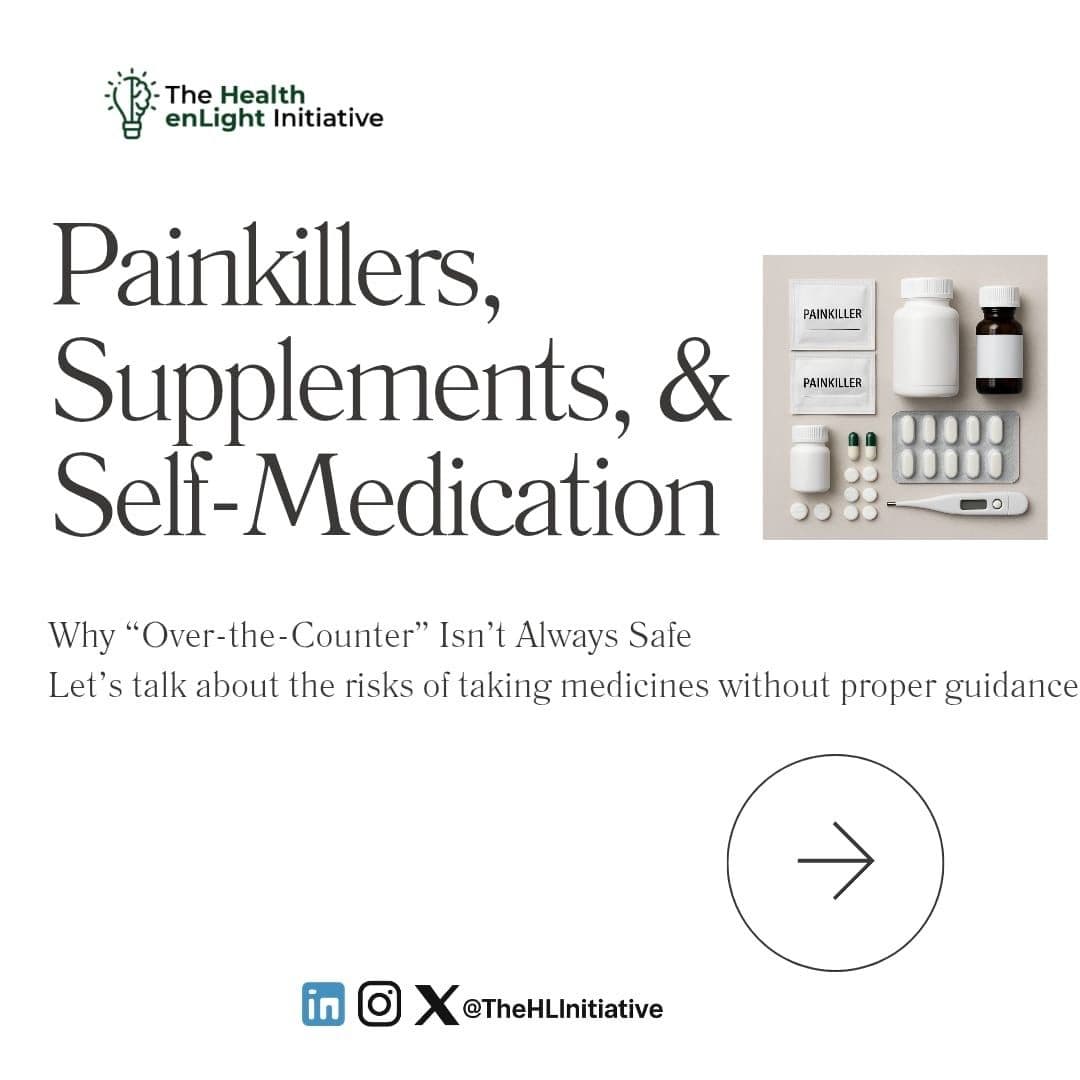
In today’s fast-paced world, it is common for people to seek quick relief from pain, discomfort, or minor health concerns without visiting a healthcare professional. Pharmacies, supermarkets, and even roadside vendors make medications easily accessible, reinforcing the belief that if a drug is available without a prescription, it must be completely safe. However, this assumption can be misleading. The widespread use of over-the-counter medicines, supplements, and herbal remedies without proper guidance has quietly become a significant public health concern.
Understanding the risks associated with self-medication is essential, especially in settings where access to professional healthcare advice may be inconsistent or overlooked.
What Is Self-Medication?
Self-medication refers to the practice of using medicines, including painkillers, supplements, or herbal products, to treat self-diagnosed symptoms without consulting a qualified healthcare provider. This may involve drugs that are legally available without a prescription, commonly known as over-the-counter medications.
While self-care is an important part of health management, the line between responsible use and unsafe practice is often blurred. Many individuals rely on past experiences, advice from friends or family, or information from the internet to guide their choices. In doing so, they may unintentionally misuse medications or overlook important safety considerations.
The Myth of “Safe Because It’s OTC”
The term “over-the-counter” simply means that a medication can be purchased without a prescription. It does not mean that the drug is free from risks. Over-the-counter medications are approved for use under specific conditions, including recommended dosages and duration of use. When these guidelines are ignored, even commonly used drugs can become harmful.
Pain relievers, for instance, are widely used to manage headaches, body pain, or fever. While they are effective when used appropriately, they still carry the potential for side effects, drug interactions, and toxicity if misused. The ease of access often leads people to underestimate their potency.
Common Misconceptions That Lead to Harm
A number of beliefs contribute to the unsafe use of medications. Some people assume that a simple painkiller cannot cause harm, especially if it has worked for them in the past. Others believe that because a drug is available without a prescription, it is acceptable to increase the dosage when symptoms persist. There is also a widespread assumption that supplements and herbal remedies are entirely natural and therefore cannot interact negatively with other medications.
These misconceptions can have serious consequences. Medicines and supplements affect the body in complex ways, and their safety depends on how they are used, the individual’s health status, and what other substances are being taken at the same time.
The Risks Associated with Painkillers
Common over-the-counter pain relievers, including nonsteroidal anti-inflammatory drugs such as Ibuprofen and Naproxen, as well as Paracetamol, are generally safe when used correctly. However, misuse can lead to significant health problems.
Frequent or excessive use of these medications can irritate the stomach lining, increasing the risk of ulcers and internal bleeding. They can also affect kidney function, particularly in individuals who are dehydrated or have underlying health conditions. Paracetamol, when taken above recommended doses, is a leading cause of liver damage, which can be life-threatening.
Long-term use of certain painkillers has also been linked to cardiovascular issues, further highlighting the importance of using these drugs only as directed.
The Hidden Dangers of Combining Supplements and Medications
Many people take dietary supplements alongside medications without considering possible interactions. However, supplements are not always harmless. Some can enhance or reduce the effects of medications, while others may introduce entirely new risks.
For example, certain supplements can increase the risk of bleeding, especially when combined with blood-thinning medications. Others may interfere with blood pressure control or affect how the heart functions. Herbal products, often perceived as safe, can significantly alter how drugs are metabolized in the body.
Because these interactions are not always obvious, combining supplements with medications without professional advice can be dangerous.
When Relief Becomes a Risk: Masking Underlying Conditions
Pain and other symptoms are often the body’s way of signaling that something is wrong. While it may be tempting to suppress these symptoms with medication, doing so without understanding the underlying cause can delay proper diagnosis and treatment.
For instance, persistent headaches, abdominal pain, or joint discomfort may be signs of more serious health conditions. Relying solely on painkillers or supplements to manage these symptoms can allow the root problem to worsen over time, making treatment more difficult and potentially leading to complications.
Using Over-the-Counter Medicines Safely
Despite these risks, over-the-counter medications can be used safely when proper precautions are taken. Reading and following the instructions on medication labels is essential. These guidelines are designed to ensure that the drug is used within safe limits.
It is also important not to exceed the recommended dosage, even if symptoms persist. When in doubt, seeking advice from a pharmacist or doctor can help prevent harmful mistakes. If symptoms do not improve or worsen over time, it is crucial to seek professional medical evaluation rather than continuing self-treatment.
Caution should also be exercised when using multiple medications or supplements simultaneously. Being aware of potential interactions and informing healthcare providers about all substances being taken can reduce risks.
A More Informed Approach to Self-Care
Self-medication is not inherently harmful, but it requires awareness, responsibility, and informed decision-making. Medications, whether over-the-counter or prescribed, are powerful tools that must be used with care.
Promoting safe practices around medication use is essential for preventing avoidable health complications. By challenging common misconceptions, understanding potential risks, and seeking guidance when needed, individuals can make better choices about their health.
Ultimately, the goal is not to discourage the use of over-the-counter medicines but to encourage their responsible use. Health is too important to be managed on assumptions alone.